• Home
  • About Us
  • See The Animals
    • Rodents
    • Primates
    • Dogs & Cats
    • Farm Animals
    • Aquatics
    • Other Animals
    • Adopted Research Heroes
    • Videos
  • Advocate
    • Share Our World
    • Show us Your World
    • Join Us
    • Speak Up For Research
  • For the Media
  • Resources
  • Home
  • About Us
  • See The Animals
    • Rodents
    • Primates
    • Dogs & Cats
    • Farm Animals
    • Aquatics
    • Other Animals
    • Adopted Research Heroes
    • Videos
  • Advocate
    • Share Our World
    • Show us Your World
    • Join Us
    • Speak Up For Research
  • For the Media
  • Resources

Home / Animal Groups / Rodents

Animal Group: Rodents

Rodents, like mice and rats, are popular models for biomedical research due to their anatomical, physiological and genetic similarities to humans. Some advantages for using rodents include ease of maintenance, their small size, and short life cycles that enable researchers to study the full course of diseases and therapies.

Another plus is that mice and rats offer an abundance of genetic resources.  Mice share almost 95% of their genes with humans. Their genome is well known and able to be manipulated so that models of specific human diseases may be studied.

Because of these characteristics, mice continue to play a vital part in the discovery and development of treatments and cures for cancer, Alzheimer’s, cardiovascular disease, diabetes, and many infectious diseases.

Other rodents needed for research include hamsters, gerbils, guinea pigs, and chinchillas.

Did you Know?

A rat can fall as far as 50 feet and land unharmed.

Studies needing mice were awarded 30 Nobel prizes.

Guinea pig studies lead to the discovery of Vitamin C, the tuberculosis bacterium and adrenaline.

About 10% of rat genes are shared in mice but absent in humans.

30 Nobel Prizes needed rats for the awarded contribution to science.

Guinea pigs have contributed to 23 Nobel prizes for medicine.

Shrews are easily startled and will jump, faint, or drop dead at a sudden noise.

Rats have been invaluable to cardiovascular medicine, neural regeneration, wound healing, diabetes and transplantation.

A Shrew must eat 80-90 % of their own body weight in food daily.

Explore Rodents by Species

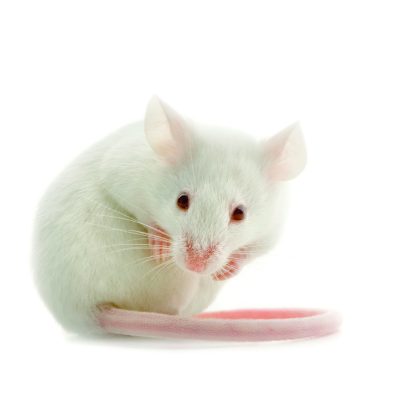
Mouse Thumbnail

Mouse

Mice are pivotal in medical progress, facilitating treatments for cancer, heart disease, neurodegenerative disorders like Parkinson's, and psychiatric conditions such as anxiety and schizophrenia. Read More →
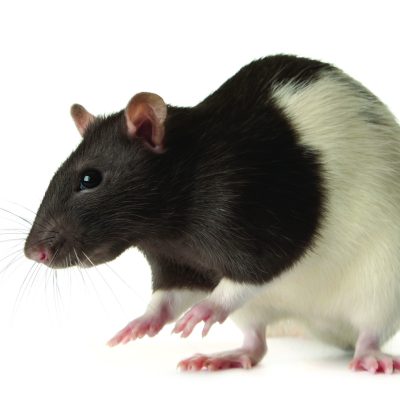
Rat Thumbnail

Rat

Rats are essential models in research, aiding studies in physiology, immunology, pharmacology, nutrition, behavior, and learning, leading to medical advancements in obesity, diabetes, cancer, cardiovascular, neurological, and immune-related diseases. Read More →

Hamster Thumbnail

Hamster

Hamsters play a crucial role in various research areas like cancer, reproduction, virology, diabetes, and cardiovascular diseases due to their physiological similarities to humans, particularly in lipid metabolism and atherogenesis. Read More →

Guinea Pig Thumbnail

Guinea Pig

Guinea pigs, resembling humans in bacterial infection symptoms and immune response, have aided research for over 200 years, advancing treatments for lung, ear, eye, artery, stomach, intestine diseases, including tuberculosis. Read More →

Chinchilla Thumbnail

Chinchilla

Chinchillas serve as vital models for auditory system research due to their physiological similarities to humans, aiding advancements in acoustic studies and offering insights into middle ear infections and other areas like respiratory infections and ototoxicity. Read More →
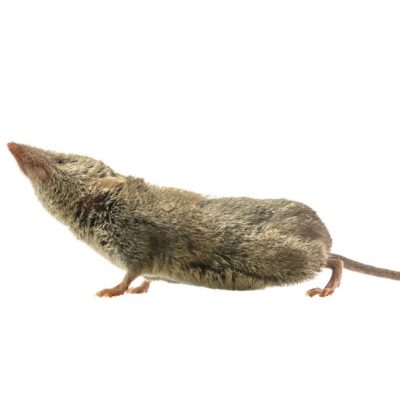
Japanese shrew Thumbnail

Japanese shrew

The Japanese Shrew serves as a crucial model for Congenital Sucrase-Isomaltase Deficiency (CSID), mirroring symptoms seen in humans, aiding research into digestion disorders affecting both infants and adults. Read More →

Animals in Research

Exploring How the Brain Works

The brain controls everything from movement and memory to emotions and decision-making, but there is still much we don't understand about how…

Animals in Research

Mice and Multiple Sclerosis Research

Multiple sclerosis (MS) occurs when the immune system attacks myelin, the protective covering around nerve fibers in the brain and spinal cord.…

Animals in Research

Understanding the Brain and Behavior

Understanding mental health starts with understanding the brain. Research with rats has helped scientists investigate how brain circuits, chemicals and life experiences…

Animals in Research

Cozy in a Nest

This research mouse is curled up asleep in a nest. Nest building is a natural and important behavior for mice. Given appropriate…

Animals in Research

Checking Each Other Out

Sometimes the observation goes both ways! This research rat stopped to investigate a visitor who was taking a closer look. Rats are…

Animals in Research

A Closer Look

This nude mouse rests on a caregiver's finger during a health check. "Nude" mice have a genetic change that affects both hair…

Animals in Research

Meet Lucy

This is Lucy, pictured during a regular visit as part of a program supporting employees experiencing compassion fatigue. Caring for research animals…

Animals in Research

Journey and Her Pups

Journey is pictured with her pups while loading food into her cheek pouch. Hamsters use their large, expandable cheek pouches to collect…

Animals in Research

Waiting for a Treat

Meet Clyde, a Golden Syrian hamster waiting for his daily treat. His environment provides opportunities for several natural hamster behaviors. The plastic…

Animals in Research

Growing Up in Research

Like all newborn mammals, rat pups rely heavily on their mothers early in life. They are born with their eyes and ears…

Animals in Research

Litter of Transgenic Rats

These adorable transgenic baby rats have modified DNA to help scientists understand how genes affect health and disease. They give researchers an…

View More Rodents

Explore all of our Amazing Animals!

Rodents
Primates
Dogs & Cats
Farm Animals
Aquatics
Other Animals
Adopted Heroes
Site Logo

Learn More:
www.amprogress.org

Site Search

712 H St NE, PBM 98985 Washington, DC 20002 (202) 624-8810

© 2026 Come See Our World Site by Z-AXIS Creative

View & Share
Download Photo