From Pregnancy Tests to Modern Research
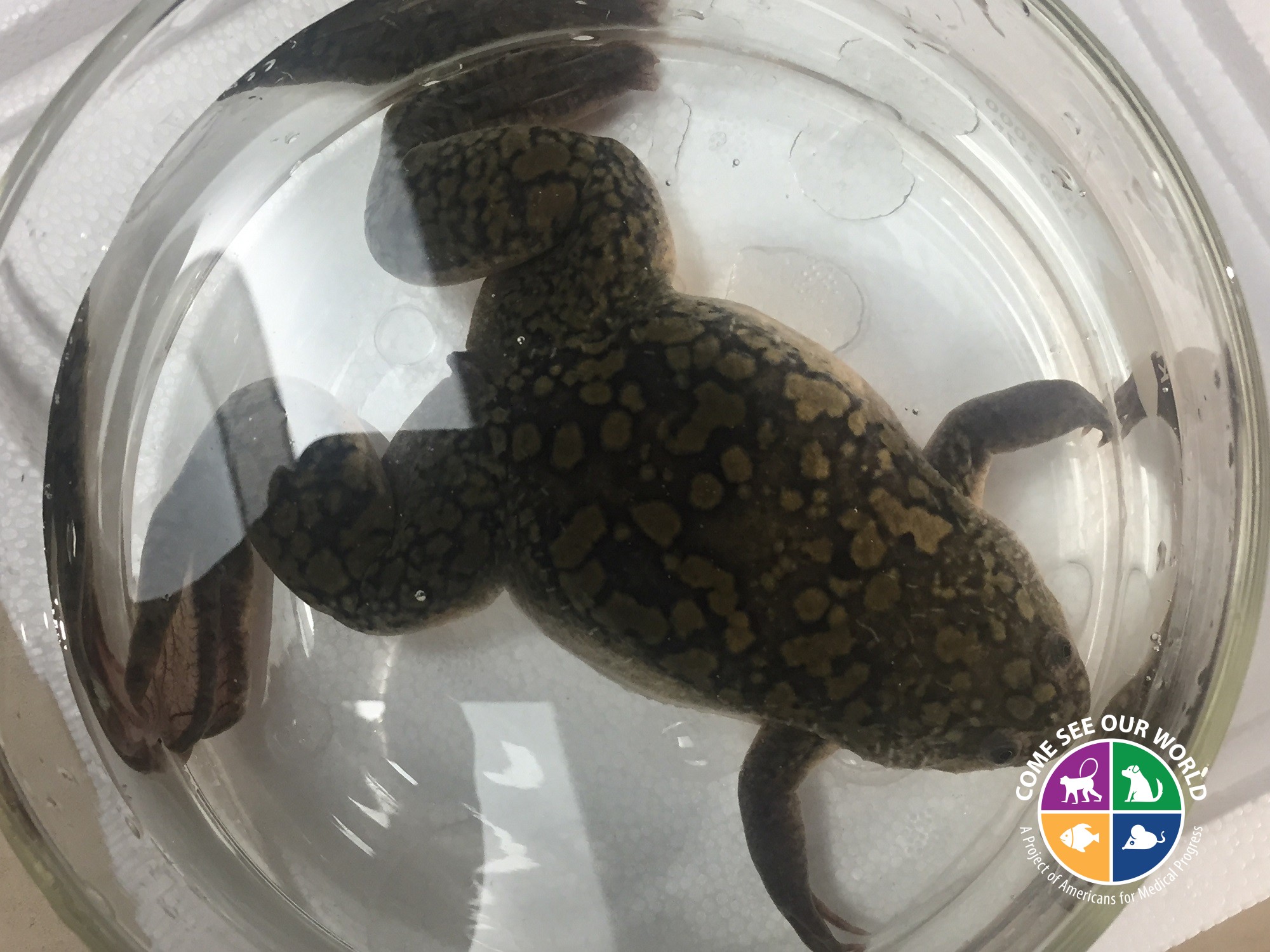
African clawed frogs (Xenopus laevis) have a fascinating history in biomedical research. Before today's pregnancy tests were available, these frogs were used to detect pregnancy. A woman's urine was injected into a female frog, and hormones present during pregnancy would cause her to release eggs.
Today, Xenopus laevis continues to help scientists answer very different questions. Their large eggs and embryos are especially useful for studying how cells divide and how an organism develops from a single fertilized egg. Scientists also study their genes to better understand how changes in normal development and cell function can contribute to human disease.
From an early pregnancy test to modern genetics and developmental biology, these frogs have contributed to biomedical science for generations.